
Cerealiq expands its food technology for oat milk to New Zealand
Oat milk has a tiny fraction of the environmental footprint of cows’ milk, yet it requires a proper infrastructure, supply chain and food technology to produce. Cerealiq received financial support from Nopef to study the application of this technology in New Zealand. Now Cerealiq’s food technology is helping Kiwi oats become oat milk for local consumers, lowering the environmental impact.
Cerealiq AB
Sweden
New Zealand
July 2023 – October 2025
Foodtech
Oat milk has a remarkably lower environmental footprint compared to dairy milk. According to one meta-analysis, oat milk requires 94% less land and 92% less fresh water to produce compared to cows’ milk, while generating 71% less greenhouse gas emissions and causing 84% less eutrophication.
Yet oat milk requires appropriate infrastructure, technology and know-how for production. It is still a relatively new product, with its modern production process first developed in Sweden in the 1990s.
“New Zealand was dependent mainly on imported oat milk,” explains Victor Degerlund, Investment Manager at Nefco. “A company was shipping New Zealand oats to Sweden to make the oat milk, and then shipping it back to New Zealand. Oat milk has a much lower environmental footprint than dairy, but a long, inefficient logistics chain reduces the benefits. Cerealiq approached Nopef about establishing a demonstration project to produce oat milk locally in New Zealand.”
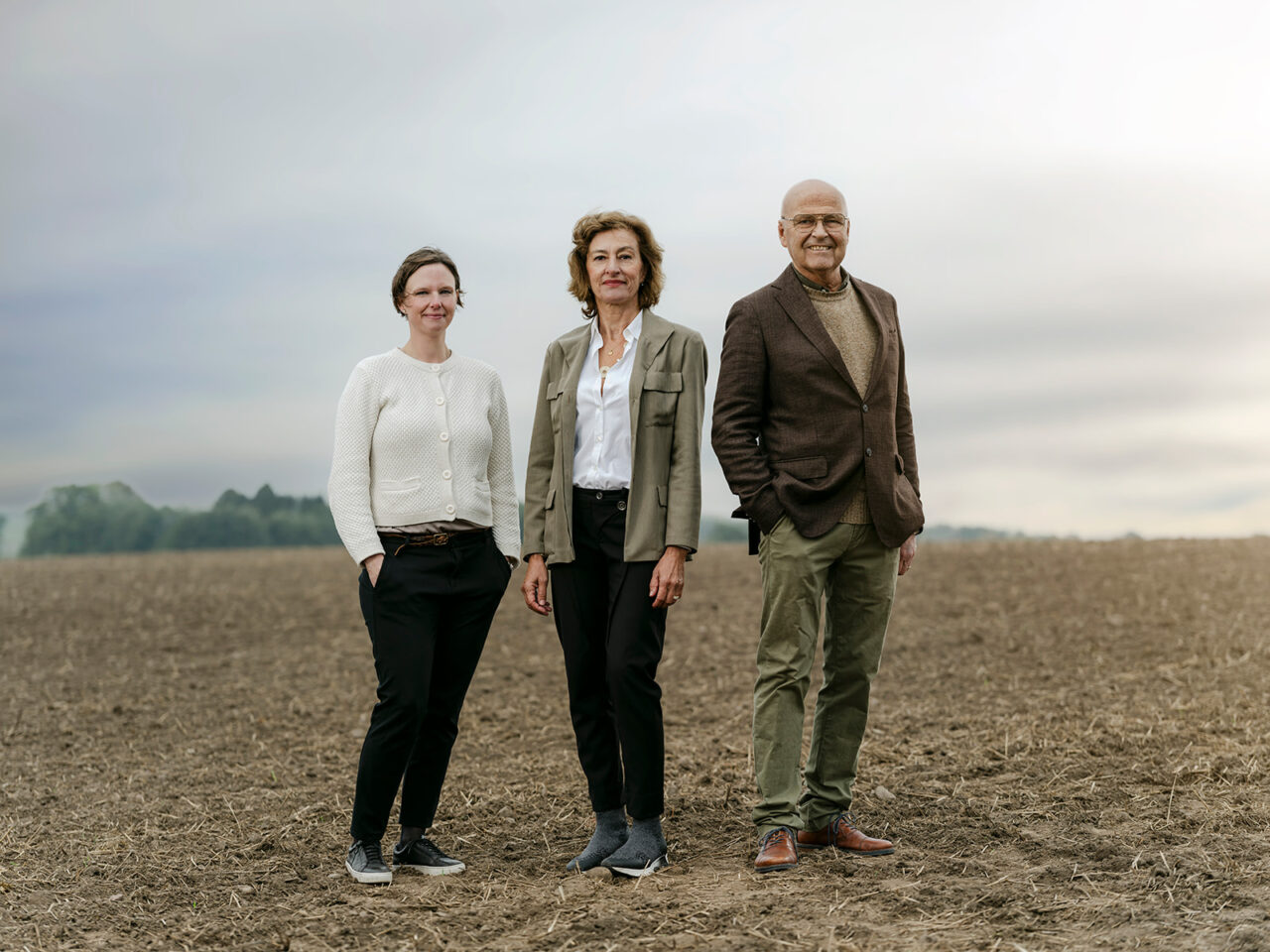
“We had a long partnership with a New Zealand brand, helping them produce their products in Scandinavia,” explains Cerealiq co-founder and Senior Advisor Håkan Karlsson. “However, they were interested in local Kiwi production, so Cerealiq offered to help.”
Enzymatic process key to good oat milk
Based in Sweden, Cerealiq helps oat drink companies with enzyme mixes and consulting services across R&D, production and sales. Enzymes break down oat starches into natural components, including simpler sugars. The enzymatic process naturally sweetens the oat milk.
“Our co-founder Angeliki Triantafyllou has patented several inventions in enzyme technology, and the enzyme mix is the key to successful oat milk,” Karlsson continues. “About 80% of the world’s oat milk is consumed in coffee. You want it to taste good, mix well in coffee, feel pleasant in the mouth and be frothy for baristas in coffee shops, who love it. Additionally, you want it to be healthy and maintain the soluble oat fibre, β-glucan. This is all accomplished with enzymes.”
Triantafyllou’s work has also received international recognition. In 2026, she was awarded the European Inventor Award for developing a patented enzymatic process for preparing oat-based drinks.
Setting up production takes time and effort. Not only did the local producers need the hardware, but they also needed to build up local expertise, supplier networks and organisational capacity. One of Cerealiq’s partners recommended that they contact Nopef regarding funding for a feasibility study to determine whether expansion to New Zealand made sense.
Local production decreases transportation emissions
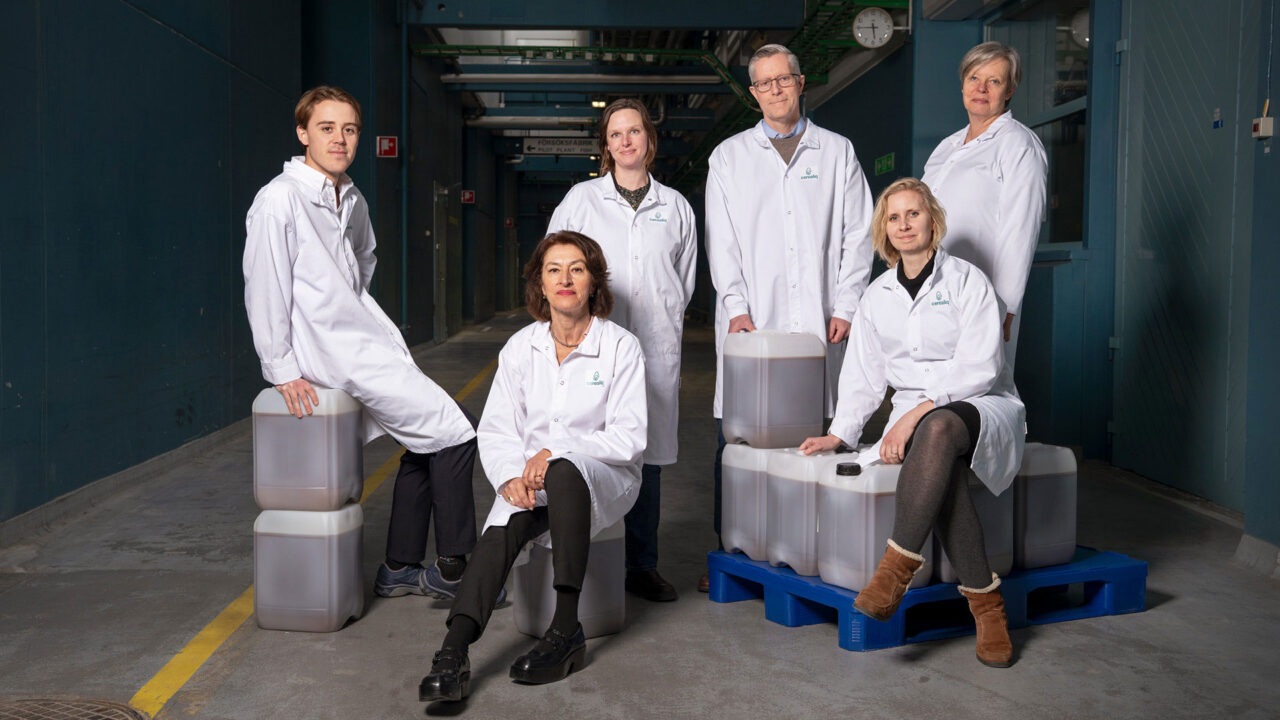
The feasibility study included preparation of a demonstration project, training for the local production partner, preparation of the supply chain and evaluation of partners elsewhere in Oceania, including a packaging expert in Singapore. The technical work included lab tests, pilot tests, enzyme analysis and quality assurance. With encouraging results, the partners forged ahead.
“Nopef’s financing was instrumental in preparing the demonstration project and enabling commercialisation,” Degerlund says. “The project supports the internationalisation of Sweden’s expertise in oat milk production.”
The local producer, Free Flow Manufacturing, added 2,500 m2 of production space and 4,000 m2 of warehouse space to its existing facility, which can now produce 50 million litres of oat milk annually. Cerealiq’s technology is now applied at a commercial scale in New Zealand, while complementary investments in Sweden have strengthened the company’s enzyme production capacity.
They are already reaping the results. Otis Oat Milk won the Beverage of the Year award at the 2025 New Zealand Food Awards, while local production significantly reduces carbon emissions from transportation.
Future of oat milk looks bright
“Nopef’s support gave us the courage to take this step; otherwise we would have hesitated. At the time we only had three employees,” Karlsson says.
Growth has been strong: Cerealiq now has eight employees and is considering further expansion.
“Our partners in New Zealand are interested in new products, such as organic and no-sugar oat milk products,” says Karlsson. “Also, our position in New Zealand could be a springboard for further geographic expansion. The oat milk market is growing rapidly across Asia.”